News & articles

Hostelworld partners with CarbonClick to help travellers understand their stay's emissions and support verified carbon projects
Hostelworld has partnered with CarbonClick, the New Zealand-based carbon offsetting platform, to help travellers understand where the emissions associated with their stay come from, and voluntarily contribute to independently certified carbon projects.
Read more
Why event emissions rarely turn into action
Sustainability questions are appearing in event RFPs more often, but most event management companies still don't have a confident answer. This piece looks at why: emissions that were never calculated, or a number that existed but led nowhere. It also sets out what a connected answer looks like: calculation, action, and credible offsetting, backed by real due diligence.
Read more
Etihad for business enables corporate clients to purchase carbon-offsets through a new carbon offset feature
Leveraging its existing collaboration with CarbonClick*, Etihad Airways has introduced a new enhancement to its Etihad for Business (EYB) platform, enabling corporate clients to redeem EYB credits for carbon-offsets directly through the Etihad for Business portal.
Read more
Offsets plus SAF CER: A smarter way to cut corporate travel emissions
Airlines and their corporate clients face a shared challenge; managing Scope 3 emissions from business travel, those indirect emissions from fuel production, supply chains, and employee flights. High-quality offsets, funding verified projects like reforestation or renewable energy, have been a trusted way to tackle these. But what if you could go further? What if you could offer clients credible reductions in their reported emissions, alongside offsets, without needing sustainable aviation fuel (SAF) on every flight?
Read more
COP30 is over: Week 2 & final outcomes from Belém, Brazil
Two weeks in the Amazon are done. COP30 closed late Friday with a mix of hard-won progress, careful compromises, and some clear missed opportunities. Here’s the straightforward take on what actually made it into the final deal — and what it really means.
Read more
COP30 Week 1: What has happened so far in Belém, Brazil
Week 1 of COP30 in the heart of the Amazon is done, and it’s been one of the most intense openings in years. Record crowds, a missing U.S. delegation, new money flowing, and loud protests set the tone. Here’s a clear summary of everything that actually mattered.
Read more
From quiet action to confident sustainable storytelling
Learn how to talk about your climate action with confidence. This guide shows why visibility matters, and gives simple steps for sharing your progress in a transparent, engaging way.
Read more
Words that work: How to talk about climate action with confidence
Ever feel unsure about how to talk about your sustainability efforts? You’re not alone. Many businesses want to share what they’re doing for the planet — but words like carbon-neutral, net zero, or climate positive can feel overwhelming. Do you use them? Avoid them? And how do you make sure people understand what you really mean?
Read more
Food prices in the UK are going up because of climate change
This article investigates the escalating food price crisis in the UK, driven by climate-induced disruptions like 2023’s heatwaves and floods, which added £19 to monthly grocery bills and account for 33% of annual price hikes. Global crop failures in key regions like Argentina’s soybean belt and Vietnam’s rice paddies destabilize supply chains, raising costs for staples like wheat and tomatoes, with effects felt in New Zealand through imported goods. Research highlights a 0.17% price increase per 1°C temperature rise, with long-term forecasts predicting 3.23% annual global rises by 2035 due to reduced crop resilience, costly storage, and transport disruptions. Vulnerable communities face the brunt, with 71 million pushed into poverty in 2021/2022. The piece explores adaptive solutions—drought-resistant seeds, rotational grazing, and efficient irrigation—alongside COP28’s global commitments to resilient food systems. By blending innovative farming, policy support, and international cooperation, it offers a roadmap for UK and Kiwi households to mitigate economic strain and secure stable food supplies in a warming world.
Read more
Recent commodity price increases due to crop failure induced by climate change
This article examines the escalating impact of climate change on commodity prices, driven by crop failures and extreme weather disrupting agriculture and mining globally. From drought-stricken wheat fields in New South Wales to water-scarce cobalt and lithium mines in Zambia and Chile, environmental shifts are slashing yields—potentially halving food crops by 2050—and inflating costs for essentials like maize, copper (vital for solar panels), and cobalt (key for electric vehicles). In New Zealand, these global disruptions translate to higher grocery bills (up 0.9–3.2% annually) and strained supply chains for dairy and tech. The piece highlights cascading effects: heatwaves reducing worker productivity by 15–30%, water-intensive processes stalling, and supply delays raising consumer prices by 4–8%. Yet, it also showcases adaptive solutions, including Chile’s seawater desalination plants, India’s AI-driven farming, and industry-wide heat protocols. Emphasizing global cooperation at COP28 and innovative strategies like drought-resistant crops, the article underscores how proactive measures can mitigate economic shocks, offering Kiwi families and businesses pathways to resilience in a warming world.
Read more
How dogs help people cope with climate change
This article explores the complex interplay between pet ownership and climate change, focusing on dogs’ environmental impact and their vital role in supporting human resilience in New Zealand. Drawing on a National Academy of Sciences study, it reveals public misconceptions about pets’ carbon footprints, with meat-heavy diets generating emissions equivalent to driving 13.6 million cars annually. While dogs contribute to deforestation and methane emissions, they also reduce stress by 23% during climate crises like bushfires and floods, fostering community action and mindfulness. The piece examines sustainable pet food options—like insect-based proteins and MSC-certified seafood—that cut emissions by up to 85%, alongside low-impact toys and responsible care practices. Highlighting global and Kiwi-specific data, it offers actionable strategies for pet owners to align their love for animals with climate-conscious choices, ensuring both ecological and emotional benefits.
Read more
The surprising impacts the changing climate has on wildlife
This article delves into the often-overlooked consequences of climate change on wildlife, particularly in New Zealand (Aotearoa) and beyond, revealing how subtle shifts like fewer tūī birds or unusual marine sightings signal profound ecosystem disruptions. It highlights scientific warnings that one-third of global species face extinction risks from rapid environmental changes—100 times faster than natural adaptation rates—exemplified by population booms in huhu beetles damaging forests and ocean acidification harming shellfish and marine food chains. Key threats include extreme weather reshaping habitats, mismatched breeding cycles reducing reproduction in species like lizards and alpine parrots, and genetic limitations in isolated NZ fauna such as tuatara. The piece explores hidden impacts like altered seed dispersal, storm surges destroying nesting sites, and human-wildlife intersections, including warmer winters expanding tick ranges (potentially tripling Lyme cases since 2010), saltwater creating "ghost forests," lobster migrations disrupting fisheries, and floods contaminating water with pathogens. Emphasizing resilience through phenotypic plasticity and assisted migrations (e.g., relocating Hochstetter's frogs), it calls for urgent conservation: emission cuts, ecosystem restoration, wetland protection, and citizen science to safeguard biodiversity, human health, and interconnected natural systems for a sustainable future.
Read more
Top animal charities tackling climate change
This article explores the interconnectedness of animal welfare and climate change mitigation through the efforts of leading global and local charities. Highlighting the decline of species like New Zealand's tūī birds as a symptom of broader ecosystem disruptions, it examines how organizations such as the World Wildlife Fund, IUCN, Defenders of Wildlife, and Project AWARE protect keystone species and habitats that sequester carbon and stabilize climates. From international collaborations on polar bear conservation and ocean cleanups to New Zealand-specific initiatives like the Urban Wildlife Trust and Kaikōura Whale Rescue, the piece underscores the amplified impact of donations, up to 100 times greater in high-impact charities, and innovative approaches like AI nest monitoring and community-led sanctuaries. By fusing animal protection with environmental strategies, these charities not only preserve biodiversity but also enhance global resilience against climate threats, urging donors to invest in holistic healing for ecosystems and human well-being.
Read more
COP30: The world's most important climate talks explained
COP30, held in Belém, Brazil, from November 10–21, 2025, is a landmark UN climate summit tackling humanity’s defining crisis. Hosted in the Amazon, it prioritizes biodiversity, emission reductions, and renewable energy, urging nations to align updated NDCs with the Paris Agreement’s 1.5°C goal. With only 19 countries submitting revised NDCs, the summit emphasizes actionable outcomes, climate finance scaling to $1.3 trillion by 2035, and inclusive stakeholder engagement. Belém’s sustainable infrastructure and media strategies amplify global impact, aiming to bridge policy and action for a resilient future.
Read more
COP30 goals: Objectives explained
COP30, held in Belém, Brazil, from November 10–21, 2025, marks a pivotal moment for global climate action, focusing on updated NDCs to meet the Paris Agreement’s 1.5°C target. Hosted in the Amazon, it underscores forest conservation and nature-based solutions. Key objectives include tripling renewable energy, cutting methane emissions by 30% by 2030, and phasing out fossil fuels equitably. The summit aims to scale climate finance to $1.3 trillion annually by 2035, enhance carbon market transparency, and integrate innovations like AI and blockchain for ecological restoration. Success depends on bridging financial and policy gaps to ensure resilient, sustainable development.
Read more
Amadeus Travel Impact Suite and CarbonClick - Online travel agent sustainability platform
The Amadeus Travel Impact Suite and CarbonClick collaboration revolutionizes sustainable travel by embedding emissions tracking and carbon offsetting into booking workflows. Built on Inform, Mitigate, and Compensate pillars, it leverages Travalyst’s Travel Impact Model for accurate, real-time emissions data across flights, hotels, and transport. Verified offset options and mitigation suggestions empower travelers and agencies to make eco-conscious decisions. Operational in Asia-Pacific with global rollout plans, the platform ensures transparency, cost-free integration, and scalability, addressing the tourism sector’s environmental challenges through standardized metrics and trusted partnerships.
Read more
Amadeus Travel Impact Suite and CarbonClick: sustainable travel made easy
The collaboration between Amadeus Travel Impact Suite and CarbonClick represents a significant advancement in sustainable travel. By integrating carbon offsetting directly into the booking process, this partnership empowers travelers and travel businesses to measure, reduce, and compensate for their carbon emissions. The result is a seamless and transparent experience that supports environmentally responsible choices, helping the travel industry align with global climate goals without compromising convenience.
Read more
How to use "planet-supportive" filters effectively on booking platforms
Beneath the allure of global exploration lies a pressing challenge: how to travel sustainably without straining one’s finances. This guide unveils sophisticated strategies for harnessing "planet-supportive" filters on booking platforms like Booking.com and Hostelworld to secure sustainable accommodations, transportation, and activities. It advocates for selecting eco-certified properties, low-carbon transit options, and community-focused experiences, while leveraging off-peak travel and loyalty programs to optimize affordability. Enhanced by tools like EcoPassenger and authoritative green travel blogs, travelers can orchestrate conscientious journeys that preserve ecosystems and enrich cultural connections with precision and purpose.
Read more
The sustainable packing list: important things to bring and tips for travellers who care about the environment
The environmental impact of travel, highlighted by the Plastic Soup Foundation’s report of one million plastic bottles sold per minute, underscores the need for sustainable packing practices. This guide details sustainable strategies for travelers, emphasizing light packing with reusable, responsibly sourced gear like vegan leather luggage, biodegradable toiletries, and versatile clothing. It explores the benefits of minimizing waste, supporting ideal production, and reducing carbon footprints, such as the 1.5 metric tonnes emitted per passenger on a 2,500-mile flight. Practical tips, including rolling clothes and using packing cubes, enhance efficiency, while choosing sustainable destinations and supporting local businesses fosters sustainable tourism. Sharing experiences promotes broader adoption of environmentally conscious travel.
Read more
Sustainable travel on a budget: smart ways to book online for low-impact trips
The rise in environmental awareness has spurred demand for bearable and sustainable travel, allowing travellers to plan low-impact trips without incurring high costs. This guide explores strategies for booking affordable, sustainable accommodations, transportation, and activities online, leveraging platforms like Booking.com and Hostelworld with sustainability filters. It emphasizes choosing public transit, carpooling, and local, organic dining to reduce carbon footprints and support communities. By utilising flexible travel dates, off-peak seasons, and reward programs, travellers can save money while making responsible choices. The guide also highlights online tools like EcoPassenger and eco-travel blogs to plan green trips, fostering cultural immersion and environmental preservation.
Read more
Understanding eco-labels: a guide to trusted sustainable travel certifications
Ecological labels play a pivotal role in guiding travelers toward environmentally compatible tourism options, as outlined in this comprehensive guide to sustainable travel certifications. The Global Sustainable Tourism Council (GSTC), EarthCheck, and Green Key set rigorous standards for sustainable practices, focusing on environmental impact, social responsibility, and economic sustainability. These certifications empower travelers to make informed choices, supporting businesses that prioritize ideal operations and community well-being. The guide explores the certification process, regional variations, and challenges like compliance and costs, while highlighting the role of technology, such as blockchain, in enhancing transparency. By choosing certified providers, travelers contribute to a more sustainable tourism industry.
Read more
How to book sustainable wildlife experiences online: choosing responsible encounters
Wildlife tourism, generating $600 billion annually, can harm ecosystems if not conducted responsibly. This guide provides a roadmap for booking sustainable wildlife experiences online, prioritising animal welfare and conservation. It outlines strategies for identifying responsible tour operators, emphasising certifications from organisations like the Global Sustainable Tourism Council (GSTC) and the International Ecotourism Society (TIES). Key practices include observing animals in their natural habitats, avoiding exploitative interactions, and supporting local communities. The guide highlights the role of technology, such as online booking platforms and wildlife monitoring tools, in promoting sustainable tourism. By choosing verdant operators and sharing responsible practices, travelers can contribute to wildlife conservation and sustainable local economies.
Read more
Booking sustainable journeys: online tools for comparing low-emission transport options
As environmental concerns grow, travellers are increasingly seeking ways to reduce their carbon footprints through sustainable transportation choices. This guide explores online tools that facilitate sustainable travel by enabling users to compare low-emission transport options. It examines the functionality of these platforms, their role in promoting sustainable travel, and the benefits of integrating options like electric vehicles, public transit, and carbon offsets. By providing insights into effective booking tools and highlighting emerging technologies, like AI-driven route optimisation, this resource empowers travellers to make informed, environmentally compatible decisions that align with sustainability goals.
Read more
From booking to experience: learning about ecologically compatible supply chains in tourism
The tourism industry is increasingly adopting low-impact practices driven by growing consumer demand for sustainable travel, as evidenced by Booking.com’s 2024 Sustainable Travel Research Report, which notes 45% of travelers prioritize sustainability. This article explores the role of transparent, ideal supply chains in tourism, highlighting how they reduce environmental impact, support local communities, and enhance traveler experiences. It examines key components like ideal sourcing and fair labor practices, the role of technology such as blockchain and data analytics, and challenges like cost and complex global networks. By showcasing successful examples like Marriott International and Intrepid Travel, and offering strategies for implementation, the article underscores how travelers and businesses can collaborate to foster a more verdant, more responsible tourism industry.
Read moreA complete guide to community-based tourism platforms
Community-based tourism (CBT) is transforming the travel industry by prioritizing authentic, sustainable experiences that benefit local communities and economies. This guide explores CBT platforms like Airbnb Experiences, EatWith, and ToursByLocals, which connect travelers with local hosts for cultural immersion through activities such as cooking classes and guided tours. It highlights the benefits for locals, including economic empowerment and cultural preservation, and for travelers, offering meaningful, sustainable experiences. The article also covers key platform features, safety considerations, and tips for selecting authentic, culturally sensitive experiences, emphasizing how CBT fosters ideal, environmentally conscious travel that supports global sustainability.
Read more
Beyond the flight: comprehending and making use of carbon offset choices when making online reservations
As air travel contributes significantly to global carbon emissions, carbon offsets have emerged as a tool for travelers to mitigate their environmental impact. This guide explores the integration of carbon offset options in online flight booking platforms, providing insights into their functionality, quality, and effective use. By examining how offsets work, evaluating their credibility, and offering practical steps for travelers, this resource empowers users to make informed decisions when booking flights online, balancing convenience with environmental responsibility.
Read more
Understanding the concept of greenwashing in the context of the tourism sector
This guide empowers eco-conscious travelers to navigate the complex world of sustainable travel by uncovering greenwashing tactics in the tourism industry. Explore how companies mislead with vague claims, learn to spot red flags, and discover authentic sustainability through certifications, reviews, and actionable choices. From selecting low-impact accommodations and transport to supporting local communities, this comprehensive resource offers practical steps to make a real difference while traveling responsibly.
Read more
Sustainable travel badges on Agoda hotel listings
This analysis evaluates Agoda’s sustainable travel badges on hotel listings, emphasizing the platform’s leadership in promoting environmentally conscious hospitality practices by May 2025. It details Agoda’s GSTC-aligned training initiatives since 2022, its USAID partnership expanding to five Asian nations by 2024, and the forthcoming digital Sustainable Tourism Academy. The badges, awarded based on criteria such as water conservation, energy efficiency, waste reduction, nature protection, and community support, have contributed to a 25–40% booking increase for certified properties. With a rigorous certification process ensuring over 95% badge accuracy and user-friendly tools like sustainability filters, this study highlights how Agoda facilitates low-impact travel choices, aligning with the global tourism sector’s 8–9% carbon emissions challenge and fostering a more sustainable future for travelers and hotels alike.
Read more
Steps to filter for sustainable resorts on online travel sites
This study outlines actionable steps to filter for sustainable resorts on online travel sites, addressing the environmental impact of tourism, which accounts for 8% of global carbon emissions It highlights platforms like Booking.com’s "Travel Sustainable" filter, Agoda’s Southeast Asia-focused sustainability efforts, and EcoHotels.com’s GSTC-exclusive listings, which plant a tree per booking. The guide emphasizes certifications like EarthCheck (auditing 1,300+ properties) and Green Key, focusing on energy, waste, and community support, while cautioning against greenwashing through verification methods like GSTC.org and B Corp Directory checks. By choosing resorts with transparent practices, travelers can reduce their footprint, support local economies, and contribute to a more sustainable future amidst rising climate challenges.
Read more
Online travel agencies with carbon offset options for flights
Aviation contributed 2.5% of the world's CO2 emissions. This analysis looks at online travel agencies (OTAs) that offer carbon offset options for flights. Highlighting websites like Expedia, Travelocity, and Trip.com, it describes their collaborations with suppliers like TerraPass, which supports methane capture (23%), renewable energy (35%), and forest conservation (42%), and Cool Effect, which donates 90% of $18.68/tonne to 14 projects. Calculations of flight emissions—0.55 tonnes for short-haul flights and 3.75 tonnes for long-haul flights—as well as the effects of offsets, which help 47 indigenous groups and prevent 18 million tonnes of CO2e annually, are described in the study. This guide encourages travelers to adopt sustainable practices, in line with the International Civil Aviation Organization's net-zero goal by 2050, and is verified by third parties (such as Gold Standard) to ensure transparency.
Read more
How to book verified carbon-neutral tours through online agents
This study outlines a detailed guide to booking verified carbon-neutral tours through online travel agents, addressing the environmental impact of tourism, which accounts for 8% of global carbon emissions. Amid a 70% increase in sustainable travel searches, it highlights platforms like Staze, MyClimate, and ByWay, which facilitate low-carbon travel through train-based itineraries and verified offset projects. The guide details steps to calculate trip emissions, filter for GSTC-certified tours, and select accommodations with LEED certifications, while showcasing examples like Kuoda Travel’s Amazon tours supporting reforestation. By emphasizing third-party verifications (e.g., Gold Standard) and slow travel alternatives, this analysis empowers travelers to make informed, low-impact choices, aligning with future trends like sustainable aviation fuel adoption by 2030.
Read more
Online travel agent platforms supporting local conservation projects
This study examines the role of online travel agent (OTA) platforms in supporting local conservation projects, emphasizing sustainable tourism’s impact as of May 2025. It details efforts by Intrepid Travel, achieving a 56% per-person CO2 reduction since 2019, and G Adventures, which reinvests 78% of trip spending locally via its Ripple Score. Gondwana Eco Tours donates $287K yearly to NGOs, while Follow Alice sustains Tanzanian communities with 70% local trip fees. With tourism responsible for 8% of global CO2 emissions and 8 million metric tons of plastic entering oceans annually, these OTAs mitigate environmental harm through carbon neutrality, reforestation, and local empowerment. This analysis provides travelers with a framework to select platforms that prioritize conservation, balancing economic benefits with environmental stewardship.
Read more
How to find low-impact certified hotels using Booking.com filters
This analysis examines the process of finding eco-certified hotels using Booking.com’s updated filters, reflecting the platform’s commitment to sustainable travel as of May 2025. Since March 2024, Booking.com has required third-party certifications through partnerships with Sustonica, Green Key Global, and EarthCheck, ensuring properties meet standards in waste reduction, energy conservation, water efficiency, nature protection, and community support. With 53% of travelers influenced by climate change news and 8% of global CO2 emissions linked to tourism, the study outlines a step-by-step guide to the “Travel Sustainable” filter, verification methods via the because.eco API, and the platform’s efforts to support smaller properties with funding. This exploration empowers travelers to confidently select certified stays, fostering a more responsible tourism industry.
Read more
Guide to choosing low-impact travel experiences on travel booking sites
Given that tourism accounts for 8% of global greenhouse gas emissions, this analysis examines a thorough guide to choosing low-impact travel experiences on online travel agencies. The report emphasizes websites like Booking.com and Airbnb that use filters and certifications (such as Green Key and LEED) to find low-impact travel, lodging, and activities in light of atmospheric CO2 levels above 400 parts per million and a 1.5°C warming predicted by 2024. It looks at ways to lessen carbon footprints, such as taking the train (6–10 times less CO2 than flying) and eating sustainably, while highlighting community support through websites like Fairbnb.coop. By 2030, this guide will have given tourists practical ways to reduce their impact on the environment and promote responsible travel.
Read more
Comparison of sustainable property options on major OTAs
This analysis compares sustainable property options on major online travel agencies (OTAs), including Booking.com, Expedia, and Skyscanner, as of May 2025, guiding travelers toward low-impact stays. It evaluates each platform’s offerings, such as carbon offset tools and nature-focused filters, alongside certifications like Green Key, adopted by over 3,900 properties, to ensure authenticity. With global tourism contributing 8–9% of emissions, the study discusses the importance of sustainable travel, noting 61% of travelers prefer environmentally conscious options per 2023 data. Insights into platform-specific incentives, such as Airbnb’s 12% commission cut for nature-oriented hosts, and future innovations like AI-powered sustainability scoring by VRBO, underscore a shift toward a more responsible travel industry. This examination empowers travelers with actionable strategies to support environmental stewardship.
Read more
Booking low-impact lodges via expedia for sustainable travel
This article examines the growing trend of booking low-impact lodges via Expedia for sustainable travel, focusing on how the platform’s features enhance sustainable decision-making. It highlights Expedia’s integration of carbon emission comparisons and third-party eco-certifications, enabling travelers to select lodges that align with sustainability goals. With over 1,700 environmentally-certified properties, the platform supports a shift toward responsible tourism, balancing environmental preservation with traveler convenience, and projecting a model for future travel ecosystems.
Read more
Best OTAs for booking plastic-free accommodations
This exploration delves into the role of online travel agencies (OTAs) in facilitating bookings for plastic-free accommodations, a rising trend in sustainable tourism as of May 2025. It evaluates leading OTAs, including Expedia and Agoda, for their capacity to highlight hotels and lodges committed to minimizing plastic use through practices like biodegradable packaging and reusable amenities. With global tourism contributing 8–9% of greenhouse gas emissions, reducing plastic waste is a vital step toward sustainability. The analysis examines user-friendly features such as sustainability filters and carbon tracking tools, alongside certifications like EarthCheck, operating in 70+ countries, to ensure authenticity. By identifying top platforms and providing practical booking tips, this study empowers travelers to make low-impact choices while supporting a more sustainable hospitality industry.
Read more
How to offset your holiday emissions through OTA partnerships
This guide explores how online travel agency (OTA) partnerships enable travelers to offset holiday emissions, addressing the environmental impact of tourism, which accounts for 8–9% of global carbon emissions as of May 2025. It examines initiatives like Travalyst, involving Booking.com and Skyscanner, which standardize sustainability metrics, and Expedia’s UNESCO Sustainable Travel Pledge, boosting eco-hotel bookings by 25%. With 90% of tourists seeking sustainable options, OTAs provide tools like carbon calculators and eco-certified lodging filters to minimize footprints. The analysis highlights benefits, such as a 30–50% emissions reduction, and future innovations like AI-driven carbon budgeting, projecting a $8.4 billion carbon offset market by 2030. This study empowers travelers to make informed, low-impact choices through OTA collaborations.
Read more
Finding vegan-oriented hotels on digital booking platforms.
In discussions about food, the focus often lands squarely on prices. Consumers are naturally drawn to the allure of savings, with supermarkets advertising deals that make purchasing essentials seem easy and affordable.
Read more
Carbon footprint calculation for island vacations
Tourism is responsible for around 8% of global emissions, with island getaways often having an even higher impact. Most of these emissions come from flights, places to stay, and getting around locally. Tracking them can help travellers make better-informed choices.
Flights usually make up the biggest share of a trip’s emissions, but energy use in hotels and activities like tours also add up. The Paris Agreement recommends that individuals keep their yearly emissions below 2 tonnes. The way most holidays are planned today often pushes people over that limit.
Low-impact winter vacation alternatives
Exploring the United States during the colder months can be both enjoyable and considerate of the natural world. Thoughtful travel choices allow visitors to experience breathtaking winter scenery and engaging activities while limiting their impact on the environment. From the snow-covered landscapes of Michigan’s Upper Peninsula to picturesque small towns across the country, there are many destinations that prioritise sustainable accommodation and low-emission transport options. Travellers can fully embrace outdoor adventures—such as hiking, skiing, or wildlife watching—without compromising their commitment to more mindful tourism. With careful planning, it’s possible to create lasting memories while treading lightly on the places we cherish.
Read more
Zero waste travel accommodation options
More travellers are now seeking sustainable accommodation options to reduce their environmental footprint. According to a Booking.com survey, 81% of respondents prefer lodging that prioritises sustainability. This shift reflects a growing awareness of tourism’s contribution to issues such as plastic pollution and carbon emissions.
Hotels and holiday rentals are responding by phasing out single-use plastics, introducing reusable amenities, and implementing energy-saving technologies. These initiatives enable guests to lessen their carbon footprint without compromising on comfort.
Read more
Climate-resilient destination planning for tourists
Coastal regions, renowned for attracting millions of global travellers, are increasingly vulnerable to the escalating impacts of climate change. Rising sea levels, pollution, and extreme weather events pose significant threats to vital ecosystems such as coral reefs and mangroves. As the tourism industry plays a key role in these regions, it must adapt to safeguard these natural assets while ensuring the stability of local economies.
The Asia Pacific region faces particular challenges in this regard. Despite its rich biodiversity, many destinations are grappling with significant sustainability gaps. During peak tourism seasons, marine pollution intensifies by up to 40%, severely affecting local ecosystems and the livelihoods of communities that depend on them. Enhancing resilience is crucial for the long-term viability of these destinations.
Read more
How tourism plastic reduction helps marine ecosystems
Millions of tonnes of waste enter the oceans every year, with coastal activities playing a major part. The travel industry is a significant contributor, with plastic pollution putting marine life and ecosystems at risk. Recent studies show that more than eight million tonnes of plastic reach the oceans annually, much of it linked to tourism. Cruise ships, beach resorts, and recreational activities are key sources of the problem.
Moving towards more sustainable practices is essential. Cutting down on single-use plastics and improving waste management are important steps. The aim is to protect the environment while encouraging responsible travel. Experts warn that, if left unchecked, plastic production could drive major emissions by 2040. Tackling the issue now will help preserve natural ecosystems for future generations. Small but meaningful changes within the industry can have a lasting impact.
Read more
Sustainable tourism certification comparison guide
More travellers now favour businesses that follow recognised sustainability practices. According to a recent Virtuoso survey, 60% of tourists are willing to pay more for independently verified options that reflect genuine efforts. This growing demand is prompting companies to align with established frameworks. Independent certifications help distinguish meaningful actions from superficial claims. Travalyst’s 2024 compilation highlights 49 credible programmes that set clear and measurable standards for the sector. Meanwhile, new EU regulations—such as the Corporate Sustainability Reporting Directive (CSRD), coming into effect in 2025—will require greater transparency. This article explores six leading certification schemes, from Biosphere to Regenerative Travel, to support informed decisions by both businesses and travellers.
Read more
Slow travel benefits for reducing climate impact
Traditional tourism often centres on quickly ticking off destinations, but this fast-paced approach can lead to higher carbon emissions and less meaningful experiences. Shifting towards deeper exploration offers a more rewarding alternative.
Aviation accounts for around 2% of global carbon emissions, with passenger flights responsible for approximately 81% of that total. Opting for local travel or choosing longer stays can significantly reduce one’s impact. Recent trends show a growing number of travellers favouring domestic trips, motivated by both economic and environmental considerations.

Carbon offset programs for family vacation flights
Air travel is a major contributor to global emissions, with a single long-haul journey often producing more carbon dioxide than an entire year of driving. As a result, many travellers are now looking for practical ways to reduce the impact of their trips. Aviation is responsible for approximately 2–3% of global greenhouse gas emissions — a figure that rises to nearly 10% when considering emissions from all transport-related activities. This growing awareness has fuelled interest in meaningful efforts to lessen the environmental footprint of travel. Families planning their journeys are increasingly seeking straightforward, effective options.
Read more
Train tourism carbon savings compared to flights
Air travel is a major contributor to global emissions, accounting for approximately 2–4% of worldwide CO₂ output. In addition to direct emissions, flights at high altitudes have further atmospheric effects that amplify their impact. For travellers seeking lower-impact options, alternative modes of transport can make a substantial difference.
Research shows that rail travel can reduce emissions by 73–91% on many popular routes. For instance, a Eurostar study found that a journey from London to Paris by train produces around 22kg of CO₂, compared with 244kg by plane. Similar patterns are seen across Europe, highlighting rail as a significantly cleaner choice.
Read more
Local food tourism and its environmental benefits
Global fast-food chains dominate the market, with more than 40,000 McDonald's outlets and around 45,000 Starbucks locations worldwide. This widespread expansion often eclipses traditional dining options, raising concerns about both cultural preservation and the strain placed on natural resources.
Farm-to-table restaurants present a meaningful alternative. Research indicates that they can reduce carbon emissions by up to 57% compared to large, meat-focused chains. By prioritising local sourcing, these establishments cut down on transportation and packaging waste while supporting nearby farmers and producers.
Read more
Regenerative tourism examples in small communities
Travel is evolving beyond traditional ideas of sustainability, embracing a new approach that aims to leave destinations in a better state than before. This method empowers local communities while safeguarding natural resources.
Sonia Teruel brings over 20 years of expertise in this area, helping rural regions to grow through thoughtful visitor engagement. Her work fosters lasting benefits for both travellers and hosts alike.
Recent research highlights shifting traveller priorities: according to Booking.com’s 2024 report, more than 66% of travellers now seek experiences that actively enhance local communities. This growing trend offers opportunities for deeper, more meaningful connections.
Read more
Indigenous tourism practices for climate preservation
For centuries, local communities have protected vital ecosystems through time-honoured practices. These methods combine profound knowledge of the natural world with sustainable approaches to land use. Research indicates that territories managed by Indigenous groups contain around 80% of the world’s remaining biodiversity, often achieving better outcomes than government-led conservation initiatives, particularly in fragile regions.
Read more
Sustainable travel options: low-emission agents you can book through
Planning environmentally conscious trips has become increasingly accessible. Many companies now focus on reducing their environmental impact by managing emissions. In 2007, Natural Habitat Adventures pioneered the way as the first fully carbon-neutral organisation in this field.
These providers assess the emissions from both their trips and offices, investing in projects such as renewable energy or tree planting to offset them. Some even factor in flight emissions as part of their calculations.
Read more
Analysing certified holiday booking platforms
Travel habits have evolved in recent years, with more people prioritising sustainability when planning their trips. A 2023 Booking.com report found that 76% of global travellers prefer accommodation options that minimise their environmental impact.
The pandemic prompted many to reconsider their travel choices, leading to a growing demand for responsible tourism. However, mainstream booking platforms often lack effective filters for identifying accommodation with sustainable practices.
Read more
Biodiversity-focused holiday itineraries for responsible travel
Travelers are increasingly seeking meaningful ways to explore nature while supporting conservation efforts. Nature-focused tourism emphasises the protection of ecosystems and wildlife, aiming to minimise environmental impact and promote sustainability. Recent studies indicate a 76% surge in demand for environmentally conscious trips. Destinations such as Costa Rica, the Galápagos Islands, and African reserves are at the forefront, offering immersive experiences while preserving delicate habitats.
Read more
Find flights with lower emissions for your next trip
Air travel plays a significant role in global carbon emissions, currently accounting for 2.4% of worldwide CO₂ emissions. Without intervention, this figure could rise to 22% by 2050.
Flying impacts the climate in more ways than just carbon emissions. Contrails—the white streaks left by planes—form clouds that trap heat, contributing to 60% of aviation's overall climate effect.
Read more
Local community tour packages: sustainable holiday options
Today, travellers seek enriching experiences that have a positive impact on both communities and the environment. Sustainable journeys create connections between visitors and destinations while safeguarding ecosystems and supporting local populations. Organisations such as Intrepid Travel collaborate with conservation groups to design responsible itineraries. In Shivadwar Village, Nepal, 34% of households participate in homestay programmes developed in partnership with WWF-Nepal.
Read more
Low-impact vacation planning with responsible travel agents
An increasing number of travellers are now prioritising sustainability, with 83% considering environmentally conscious tourism important, according to a 2024 report. This shift is significant, given that tourism accounts for approximately 8% of global greenhouse gas emissions.
Booking trips in advance not only secures better prices and availability but also aids sustainable travel by alleviating the strain on resources caused by last-minute arrangements. McKinsey's 2024 projections underscore this growing trend.
Read more
COP29: Carbon markets and article 6 of the Paris Climate Agreement – what it means for everyone
COP29 wrapped up at the end of 2024, and while the bulk of the news focussed on the new global finance goal (NCQG) to raise $1.3T annually by 2035, one of the most significant outcomes was the finalisation of the Article 6 Rulebook.
Read more
Understanding and embracing sustainable tourism
Sustainable tourism is more than just a passing trend—it is essential. It involves adopting practices that reduce the negative effects of tourism on the environment, economy, and local cultures. In simple terms, it is about enjoying travel while ensuring that destinations remain unspoiled for future generations. By understanding this approach, travellers can make informed choices that help maintain the long-term well-being of the places they visit.
Read more
Climate change: The untold angles the news fails to cover
As the world contends with the far-reaching effects of climate change, media coverage often centres on high-profile events, alarming statistics, and stark warnings from scientists. However, many important aspects of this issue remain overlooked. While headlines focus on rising temperatures, melting ice caps, and extreme weather events, a deeper and more complex narrative unfolds beneath the surface. Beyond the mainstream coverage, there are critical but underreported connections between climate and social justice, economic disparity, cultural shifts, and grassroots initiatives. This article explores these perspectives, highlighting the stories that deserve greater attention as we navigate the complexities of this global challenge.
Read more
Organic horticulture: Your ultimate guide to success
Did you know that organic farms support up to 30% more plant and animal species than conventional farms? This is just one reason why organic horticulture is gaining traction worldwide. It’s a system that combines centuries-old practices with modern techniques to grow healthy, sustainable food.
Organic horticulture focuses on building nutrient-rich soil and using natural methods for pest control. Techniques like composting, mulching, and crop rotation are key. These practices not only boost crop production but also reduce environmental impact.

BYD: Revolutionising the electric vehicle market
BYD Auto, a pioneering division of a multinational manufacturing conglomerate, has redefined the electric vehicle (EV) sector. Founded in 2003, the firm rose to prominence with the introduction of its BYD F3 model in 2005, a milestone that catalysed its trajectory towards technological innovation and sustainable development.
Read more
The environmental impact of cacao growing explained
The global chocolate industry is worth over $90 billion, yet its impact on the natural world remains a significant concern. Cocoa production, the foundation of this industry, relies on intricate supply chains that are often difficult to trace. This lack of transparency makes it challenging to tackle issues such as deforestation and carbon emissions.
Read more
Upcoming UN nature talks in Rome
Global negotiations have resumed at the UN Food and Agriculture Organisation headquarters in Rome, focusing on funding for biodiversity and conservation. These discussions are critical for addressing the ongoing decline in global wildlife, which has fallen by 73% over the past 50 years. Recent meetings, such as COP16 in Cali, ended without agreement due to disputes over financial contributions.
Read more
Why protect the environment: Understanding legal frameworks and global efforts
In today's world, understanding why we must protect the environment is more crucial than ever. This blog explores the evolving legal frameworks designed to safeguard our planet and highlights the global initiatives and obstacles we face in this essential endeavour.
Read more
Coffee sustainability: Pioneering new paths in coffee production
Coffee sustainability is becoming a pressing issue as traditional methods of coffee cultivation threaten both the environment and the livelihoods of farmers. Innovative approaches, led by visionary growers like David Benitez, are transforming the coffee industry, ensuring that both the planet and its people thrive.
Read more
What the news doesn't say about climate change: Solutions and opportunities
In a world filled with doom and gloom narratives about climate change, it's crucial to explore what the news doesn't say about climate change. As Hannah Ritchie highlights, the challenges we face are not insurmountable, and there are actionable solutions that can lead us towards a more sustainable future.
Read more
Understanding the connection between humans and the environment: An exploration of environmental science
In our quest to understand the intricate relationship between humans and the environment, we uncover the profound impacts of our actions on the natural world. This blog delves into the essentials of environmental science, highlighting how our existence is intertwined with the health of ecosystems and the urgent need for sustainable practices.
Read more
The future of sustainable aviation fuel: A path to sustainable skies
As the aviation industry faces increasing pressure to reduce carbon emissions, sustainable aviation fuel (SAF) emerges as a promising solution. This blog explores the potential of SAF to transform air travel, the challenges of scaling production, and the implications for airlines and passengers alike.
Read more
Biden and the environment: what did he achieve?
President Biden has made significant strides in addressing climate change and advancing sustainability. The Biden administration has seen notable progress in environmental protection, owing to key legislation passed. His approach aims to reduce climate change's impact and foster sustainable practices.
Read more
Trump and the environment: what's the story?
The Trump administration implemented 74 actions to weaken environmental protection regulations, which is accurate according to research by various environmental law organisations. These actions indeed affected environmental protections in multiple ways. Most notably, they reversed environmental regulations and removed restrictions on oil and gas exploration in the Arctic National Wildlife Refuge, which is also factually correct. This forms a significant part of the environmental policy developments during Trump's presidency.
Read more
EU countries are set to miss these 2025 environmental targets
The European Union has established several environmental targets for 2025, encompassing carbon emissions reduction and waste management improvements. These objectives form part of the EU's broader sustainability framework and environmental commitments. These targets aim to reduce the EU's environmental impact and advance sustainability practices.
Read more
Inspiring positive environmental stories 2024
2024 was a year of substantial transformation for our Earth. We're witnessing increased public action to address environmental challenges. This demonstrates our collective capability to resolve significant ecological issues.
Renewable energy adoption continues to accelerate, whilst innovative approaches to environmental conservation emerge. Governments, corporations, and community organisations are forming partnerships. Their collaborative efforts focus on creating lasting environmental sustainability.
Read more
The environmental impact of electronics production and disposal
The production of electronic devices consumes substantial energy. It requires rare Earth metals and complex manufacturing processes that generate significant emissions. This results in environmental degradation through pollution from both manufacturing and disposal of electronics.
Read more
Celebrating responsibly: A sustainable holiday season
The holiday season is a time for joy, celebration, and togetherness. However, it can also be a period of increased consumption and environmental impact. From increased travel to a surge in packaging and energy consumption, the holiday season can significantly contribute to our carbon footprint.
Read more
Navigating the carbon footprint of travel: From events to corporate trips
In an era marked by increasing climate concerns, the travel industry stands as a significant contributor to global carbon emissions with aviation emissions accounting for 2.5% of global CO2 emissions. From bustling events to corporate travel, the environmental impact of travel is undeniable.
Read more
AZAL partners with CarbonClick to offer fully integrated carbon offsetting solution for passengers
Azerbaijan's national air carrier, AZAL, has launched a voluntary carbon offset programme for passengers in partnership with New Zealand based carbon offset provider and climate-tech firm CarbonClick.
Read more
CarbonClick and SCB Group come together to offer complete carbon credit solution to accelerate the aviation industry’s journey to Net- Zero
New Zealand based carbon offset provider and climate-tech firm CarbonClick and the world's leading low carbon commodity company SCB Group are joining forces to offer a new complete end-to-end solution which will improve and streamline airlines’ approach to assessing and offsetting their carbon impact.
Read more
Bogged down in carbon: the role of peatlands in offsetting carbon emissions
While forests often take center stage in discussions about carbon sequestration, there's another critical ecosystem silently playing a vital role: peatlands. Often referred to as bogs, fens, and moors, these unique landscapes hold immense potential in addressing climate change.
Read more
The role of airports to reduce carbon emissions in aviation
Airports are not merely transit hubs; they play a crucial role in the broader ecosystem of reducing co2 emissions in aviation. As the aviation industry strives to reduce its environmental footprint, airports are actively transforming their operations, infrastructure, and policies to support this critical goal for the future of air travel.
Read more
Amadeus launches Travel Impact Suite, enriching sustainability data for all travel sellers
Amadeus has announced a significant advancement towards more sustainable travel with the launch of Travel Impact Suite, including the integration of the Travel Impact Model, which has been endorsed by Travalyst. This solution, automatically implemented at no additional cost, provides the data and technology for travel sellers to highlight the environmental impact of a flight so that they are able to make more sustainable decisions.
Read more
Rewilding: A natural path to restoring nature
The urgency of climate change demands innovative solutions. Rewilding – the large-scale restoration of natural ecosystems – emerges as a powerful tool. It's a natural path towards addressing climate change, fostering biodiversity and ecological resilience along the way.
Read more
Engaging fans and spectators: Key allies in reducing Scope 3 emissions
This Summer is a huge moment internationally for sport, with UEFA EURO 2024 underway and the 2024 Summer Olympics on the approach, a significant portion of live event emissions stem from spectator travel. It's important to explore how audiences can positively contribute to addressing scope 3 emissions, and find effective ways to empower and encourage them to offset these emissions.
Read more
Let’s ditch the jargon: Carbon credits explained
Businesses are increasingly prioritising sustainability, and credible, high quality carbon credits are a valuable tool in their climate action toolbox. However, navigating the complexities of the carbon credit market - which is often described with jargon terminology and a myriad of acronyms - can be challenging.
Read more
Magnit Partners with CarbonClick to Launch Innovative Sustainability Initiative, Empowering Workers to Reduce Carbon Footprint
Magnit™, an Integrated Workforce Management (IWM) platform provider, unveiled its new Carbon Offsetting Program, created in partnership with leading green tech firm CarbonClick
Read more
The role of carbon offsetting in a net-zero future for aviation
To reach net zero by 2050, an urgent dialogue between aviation industry leaders on best practice is needed to bridge this gap with actions that can and should be taken right now including carbon offsetting as a short to medium term solution.
Read more
Taking flight: a reduced-emission future for aviation
The aviation industry connects people and places across the globe, but its environmental impact remains a significant challenge. However, exciting advancements are taking place, aiming to minimise this impact and pave the way for a reduced-emission future.
Read more
Carbon offset certifications: what do they mean?
Ever heard of carbon offsetting but unsure about the different certifications involved? You're not alone! It’s important you understand what these certification mean. This way, you can make sure you’re only supporting climate projects that are doing good for the planet and people.
Read more
Could future live events help cool the planet? How London’s O2 removed over 540 tonnes of carbon during pilot event
Last week, London's O2 arena publicised the results from its carbon removal pilot. Fans of The 1975 contributed to carbon removal projects when purchasing tickets to the band's February shows at the London event location.
Read more
Where climate action meets hospitality: The rise of sustainably progressive hotels
Travellers, business and leisure alike, are increasingly seeking experiences that align with their values. Sustainability is becoming a top priority for many. This has led to the rise of climate-conscious hotels, which are transforming the hospitality industry by actively implementing practices that minimise their environmental impact.
Read more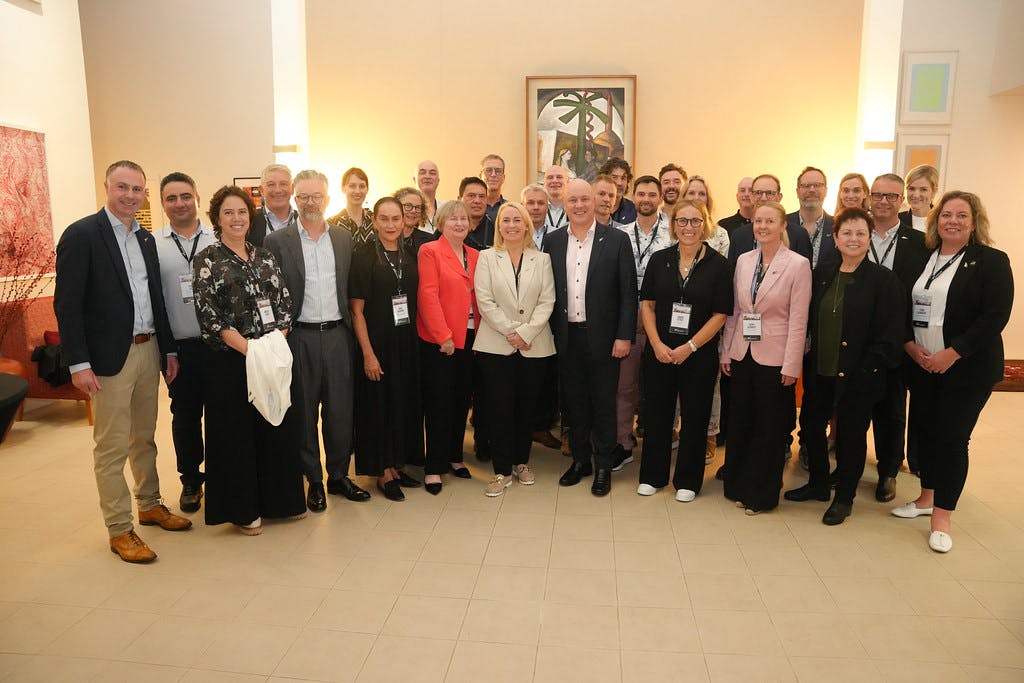
CarbonClick to represent green tech innovation in NZ Government mission to boost Southeast Asia trade relations
APRIL 2024: Leading New Zealand green tech firm, CarbonClick, has been selected to join a Government mission to strengthen trade relationships with South East Asia.
Read more
Innovative technologies in carbon offsetting
The journey towards addressing climate change demands continuous innovation, particularly in the realm of carbon offsetting. While traditional methods have played a crucial role, limitations in effectiveness and transparency have necessitated the exploration of novel technological solutions.
Read more
The magic of forests: How tree planting contributes to carbon offsetting
Envision a natural solution to address climate change: forests! These leafy giants act as Earth's lungs, playing a vital role in carbon sequestration, the process of capturing and storing carbon dioxide from the atmosphere. This article explores how tree planting projects contribute significantly to carbon offsetting, helping to reduce our environmental impact.
Read more
CarbonClick appointed as the designated offsetting partner for the Singapore Airshow
CarbonClick today announces its collaboration with the Singapore Airshow, to allow visitors to offset their flight emissions in a simple, transparent, and meaningful way through certified, credible and recognised methods of offsetting.
Read more
Changi Airport Group launches Changi Carbon Offsets, allowing travellers to offset emissions from air travel
Changi Airport Group (CAG) has launched Changi Carbon Offsets, giving passengers a convenient option to offset the carbon emissions from their air travel, regardless of the airline that they are travelling with.
Read more
Air Chathams' carbon offset journey with TTI and CarbonClick
The partnership between TTI and CarbonClick empowers all of TTI's airline clients to seamlessly implement the solution and incorporate it into their passenger booking systems in just a matter of days. Air Chathams proudly became the first TTI customer to adopt this innovative carbon offset solution.
Read more
Travel Technology Interactive (TTI) and CarbonClick announce a partnership to deliver a fully integrated voluntary carbon offsetting solution for all of TTI’s airline customers
The partnership enables an end-to-end IBE (Internet Booking Engine) carbon offsetting solution, which is the first to be fully integrated into a single PSS (Passenger Service System).
Read more
Top sustainability trends and why they matter
Sustainability is a way of thinking about how to meet the needs of the present without making it harder for future generations to do the same. It includes economic, biological, and social factors, and it is very important if we want our planet to have a healthy and stable future.
Read more
What is a carbon footprint?
So you’ve been hearing about climate change and are starting on a personal sustainability journey… but you keep hearing about carbon and carbon footprints. But what on Earth is a carbon footprint?!
Read moreWe’ve created the world’s easiest carbon footprint calculator!
Our carbon footprint is the total amount of greenhouse gases that are generated by our lives. This footprint is our contribution to the warming of our planet and causes climate change.
Read more
Why we’re proud to be a B Corp
It’s a beautiful thing, being a B Corp. It’s one of the ways we walk the talk of being a sustainable, transparent, accessible, collaborative, and innovative business.
Read more
How we assess projects: Our 7-Point Impact Check
We source and support a wide range of exciting projects, from forest renewal to clean energy generation. All of them are able to do their good work thanks to carbon financing.
Read more
Protecting bees: how to save our vital pollinators
Bees are key for our planet, helping pollinate about 80 percent of crops worldwide. Unfortunately, they face many dangers, like losing their homes and getting hurt by pesticides. Saving bees is critical, not just for them but for our food and the planet as a whole.
Read more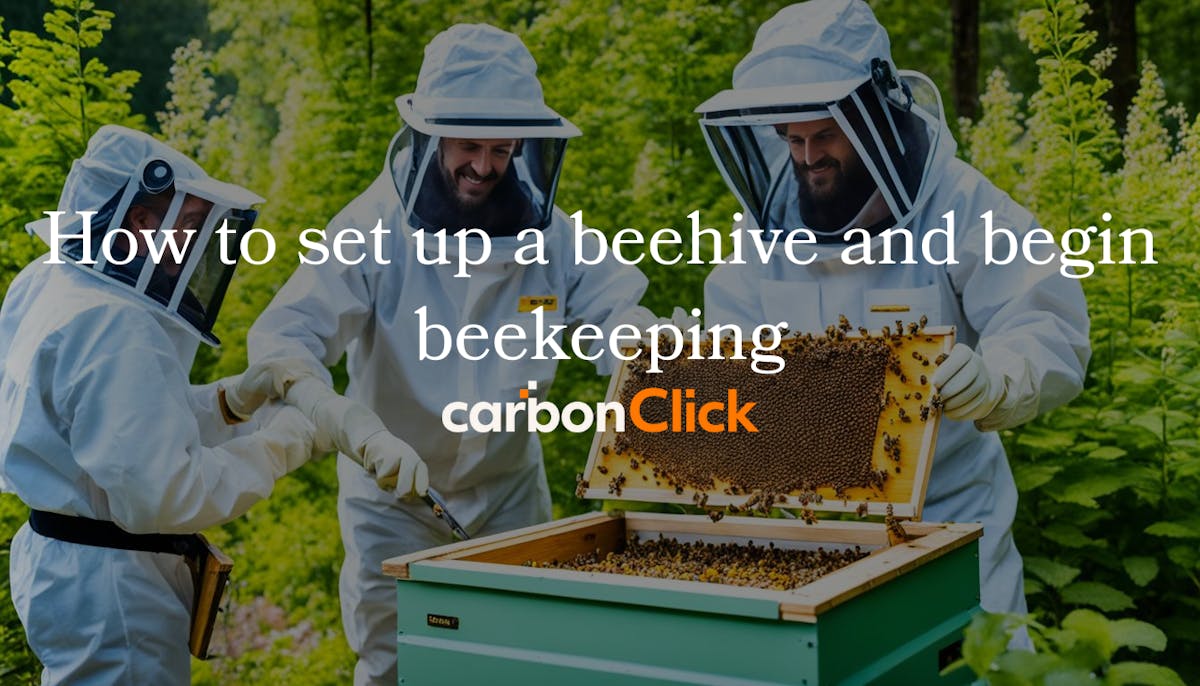
How to set up a beehive and begin beekeeping
Learn the essentials of beekeeping, from understanding bee roles and managing allergies to selecting equipment and maintaining hives effectively.
Read more
Why being ICROA accredited mattered to us
Here at CarbonClick, we are focused on making carbon offsetting simple, meaningful and transparent. That's why we were proud to have been ICROA accredited in 2022. But what is ICROA, and why did it matter?
Read moreRemoving PFAS (forever chemicals) from your drinking water
The presence of PFAS (per- and polyfluoroalkyl substances) in drinking water has been a growing concern for many people in recent years, especially due to the potential health impacts associated with long-term exposure.
Read moreA quick guide to carbon capture technology
Carbon capture technology is an increasingly important part of our fight against climate change. This technology captures carbon dioxide (CO2) from the air, from power plants, industrial processes, and other sources and stores it away from the atmosphere.
Read moreThe latest IPCC report focuses on mitigating climate change, to limit warming to 1.5 degrees
The IPCC (Intergovernmental Panel on Climate Change) report is a comprehensive scientific assessment of the state of knowledge regarding the Earth’s climate and its changing climate system.
Read moreUsing business as a force for good: Exploring the world of B Lab, B Corp, and B Corp month
B Lab is a non-profit organisation that became known for certifying B Corporations, which are companies that meet high standards of social and environmental performance, accountability, and transparency.
Read more
Kathmandu and CarbonClick announce partnership
Customers of Australia and New Zealand's no 1 outdoor brand Kathmandu, will be able to offset part of their environmental impact at checkout. By paying $2.00, Kathmandu customers transacting online will contribute directly to offsetting projects in Australia and New Zealand.
Read moreHow we can reduce and eliminate plastic’s environmental and climate impact
All aspects of contemporary life, from packaging and home products to clothes and medical equipment, make use of plastics. While plastics have many practical applications, their long shelf life and resistance to disintegration also make them a serious threat to the environment.
Read moreDeforestation’s impact on the climate, wildlife and ecosystems
Clearing forests for uses like agriculture, urbanization, and resource extraction is known as deforestation, and it has far-reaching consequences for the environment and its inhabitants. Both the direct effect of deforestation (which upsets the ecological balance) and the indirect impact (which adds to global warming) are real and significant.
Read moreThe current status of the world’s 10 most endangered species
In the field of ecosystem impact on wildlife, and of interest to conservation biologists and those who love animals, here is the latest information on the fate of some of the planet’s rarest creatures.
Read more
The current state of Canada's environment
Did you know Canada's mining industry is a big deal, employing about 700,000 people every year? It contributed a significant $107 billion to Canada's GDP in 2021. Our country is facing major environmental challenges that need rapid and substantial changes. We aim to cut emissions by 40 to 45% below 2005 levels by 2030 and achieve net-zero by 2050. This plan includes substantial investments in clean energy and new technologies to build a robust, low-carbon economy.
Read more
How to reduce the environmental impact of your home
Starting to tackle climate change begins at home. We can do this by driving less and recycling more. It's also key to understand how much energy our homes use. For example, in Michigan state, homes use about 3,948kW of energy each month. By doing an energy audit, we can see where we can cut down on energy use. This helps us lessen our impact on the environment.
Read more
The ripple effect: Understanding the global impact of Amazon deforestation
Did you know the Amazon Rainforest, covering over 5.5 million square kilometres, is disappearing at an alarming rate? In just three decades, an area comparable to the size of West Virginia has been cleared in Rondônia. This essential ecosystem is experiencing a significant environmental crisis.
The effects of deforestation are profound, transforming our natural surroundings and endangering our future. We are at a critical juncture where understanding and addressing this issue swiftly is imperative.
Read more
The carbon footprint of electric vehicles: A comprehensive analysis
In recent years, the discussion surrounding electric vehicles (EVs) has gained considerable traction due to their potential to reduce greenhouse gas emissions when compared to traditional petrol-powered cars.
Read more
The economics and practicalities of home solar panels. Time to break even etc
The economics and practicalities of home solar panels involve understanding costs, savings, and break-even periods. Typically, homeowners recoup their investment within six years.
Read more
The current state of Britain's environment
Did you know 2023 was the second warmest year for the UK? It followed the record-breaking heat of 2022. This indicates significant changes in our environment. The last decade saw six of the warmest years since 1884.
Read more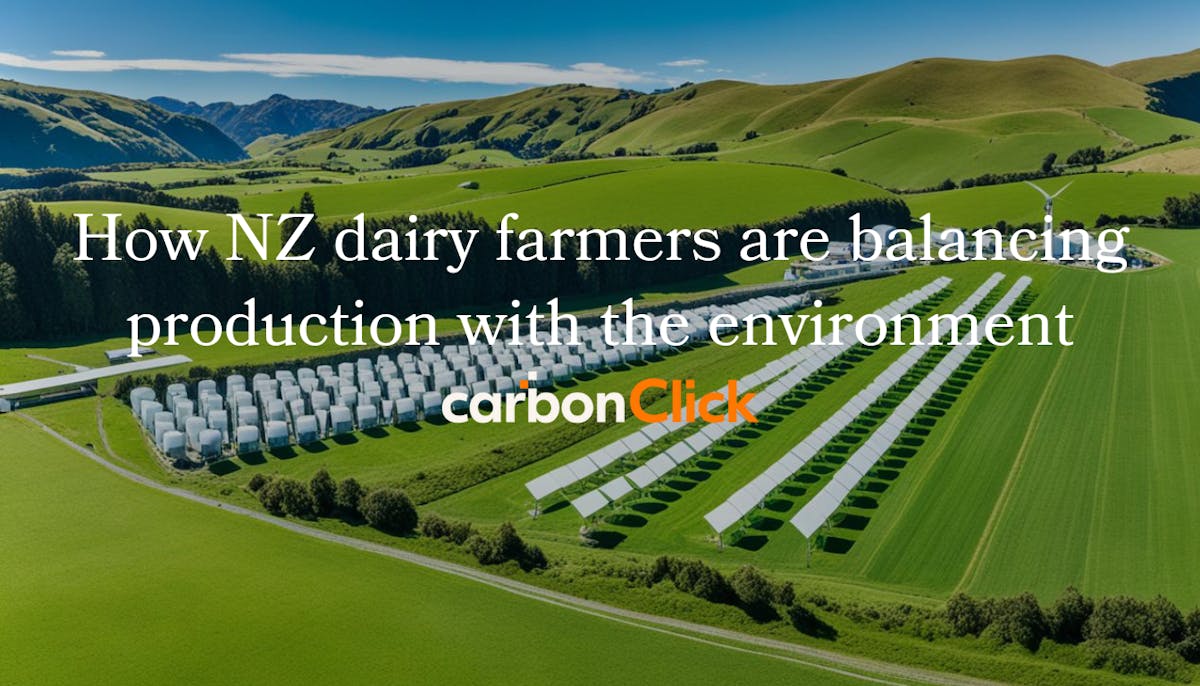
How NZ dairy farmers are balancing production with the environment
New Zealand dairy farmers lead in sustainable practices, efficiently producing milk with significantly reduced emissions, fostering environmental stewardship.
Read more
The current state of the United States' environment
Cherry trees in Washington, D.C., bloom earlier now, showing how the climate is warming. The Environmental Protection Agency (EPA) has just released a new report on climate change in the United States. This report illustrates how our actions are affecting the environment.
Read more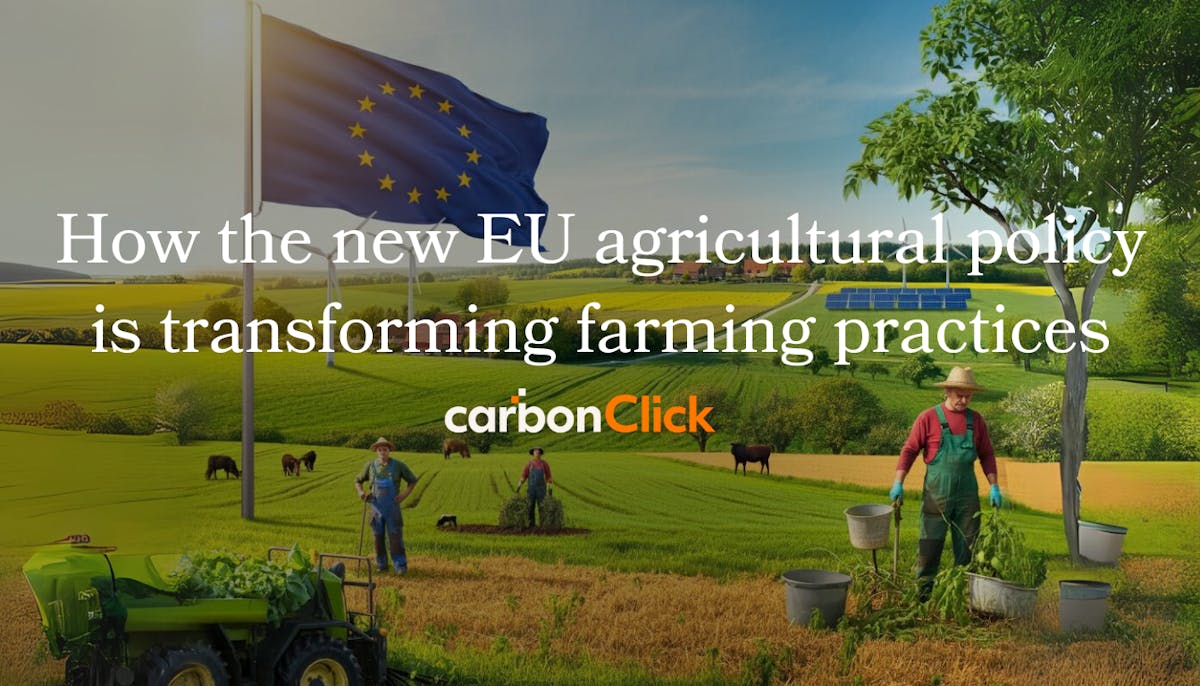
How the new EU agricultural policy is transforming farming practices
Did you know that nearly half of the European Union's land is dedicated to agriculture? This extensive area is set to benefit from the CAP 2023-27 reforms, which aim to make farming more sustainable and lessen its environmental impact.
On 2 December 2021, the European Union's member states agreed to simplify and modify the Common Agricultural Policy (CAP) regulations. Beginning on 1 January 2023, this new policy aims to achieve better integration of social, environmental, and economic objectives in agriculture, aligning with the goals of the European Deal.
Read more
Outcome of the Nox emissions scandal revealed
Did you know Volkswagen's "Dieselgate" scandal impacted approximately 11 million vehicles worldwide? This number far exceeds the 482,000 cars in the US that were initially reported. It stands as one of the largest scandals in the car industry’s history.
Read more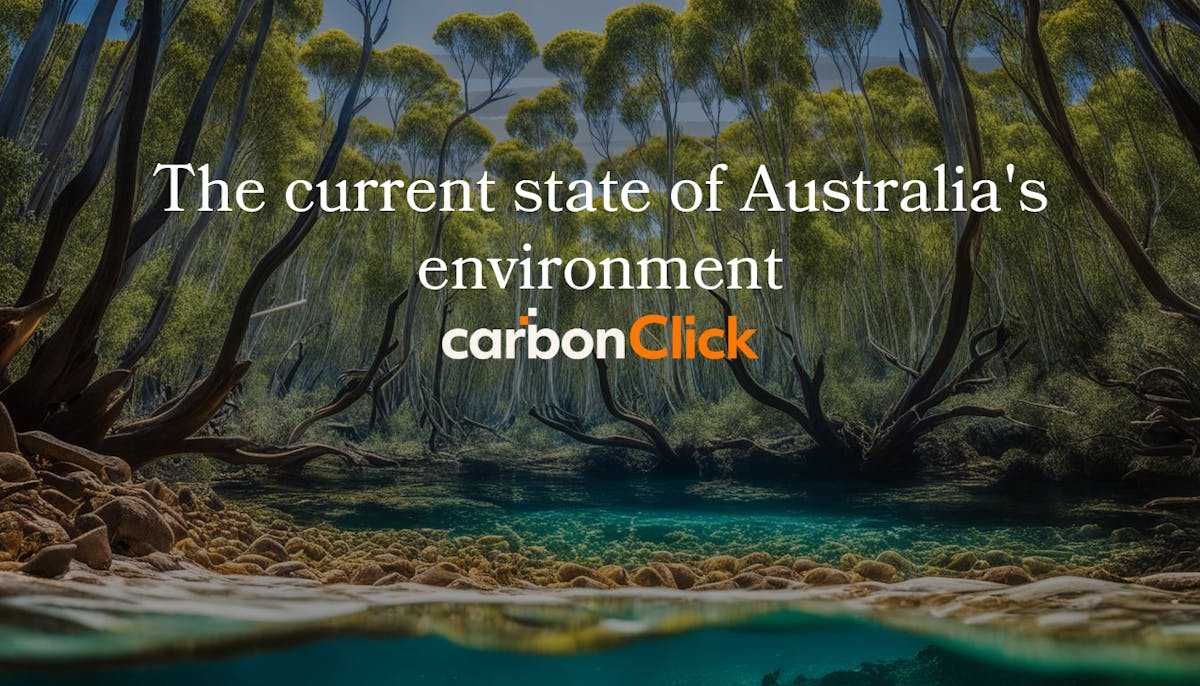
The current state of Australia's environment
Australia faces significant environmental challenges, such as a decline in biodiversity and damage to habitats. Our research indicates that many ecosystems are under considerable stress. This is primarily due to climate change and human activities, such as deforestation and urban development.
Read more
The environmental impact of current-generation electric vehicles, manufacturing and running
Electric vehicles, or EVs, are becoming key in improving climate change. Big names like General Motors and Volvo are going all-electric, changing the car industry. The effect on the environment depends on how they're made and powered.
Read more
The current state of New Zealand's environment
Did you know that 94% of New Zealand's reptiles are at risk of disappearing? This fact, from the Environment Aotearoa 2022, shows how our biodiversity is struggling. The report, released every three years, uses almost 50 indicators to check the state of our environment and its effect on our health.
Read more
How new hydrogen engine technologies are set to transform the automotive industry
Did you know that next-generation hydrogen engines could arrive as early as 2025? Hyundai and Kia are leading the charge with these engines, which promise to change the landscape of environmentally conscious transport. With a 3.5-litre displacement and 30.6 kg·m torque, these engines are set to establish new standards for alternative fuel vehicles.
Hydrogen combustion engines are poised to transform environmentally conscious transport. They operate similarly to traditional engines but are far cleaner. By burning hydrogen, they aim to deliver a comparable driving experience and quick refuelling, all while emitting only water vapour.
Read more
The environmental impact of coffee growing and transportation
Explore the environmental impact of coffee production and transportation, highlighting deforestation, habitat loss, and significant carbon emissions.
Read moreClimate change endangers the health and survival of urban trees
People and the environment benefit from green areas in cities.
Read more
Climate action for the ocean in the US: save marine life today
The world is facing a significant crisis due to climate change. Protecting our oceans is now more urgent than ever. In the United States, climate change is harming marine life, disrupting the natural systems of our oceans. However, by working together, we can make a real impact and safeguard our oceans for the future.
Read moreClimate change and the earth’s carbon cycle
For a long time, carbon has been referred to as the basic unit of life. Plants and animals are both made up of the non-metallic chemical element carbon. Fats, carbohydrates, proteins, and DNA are all examples of where it may be found in the biosphere as whole.
Read moreWhat will the progress in environmental sustainability look like in 2023?
As the year is coming to an end, we are reflecting on some key progresses that have been made in the climate action space in 2022.
Read more
Effective ways to reduce your carbon footprint today
Climate change is a pressing issue, and it’s essential for everyone to take action. This article offers simple steps to live more sustainably. These adjustments can help reduce your carbon footprint and contribute to a healthier environment.
Read moreThe environmental impact of vehicle tyre use is huge. This company aspires to be a catalyst for change.
Used tires from cars have a devastating impact on the natural world. This company aspires to be a game-changer in finding a solution.
Read moreThe recent IPCC climate report provides some hope, but action is still required
The newest IPCC report has some optimistic comments, such as sustained carbon reductions and rapidly falling renewable energy prices.
Read more
USA sustainable development and climate action goals
The United States is playing a leading role in ocean conservation through initiatives spearheaded by the federal government, non-profits, and local communities. Recent efforts include policies aimed at preserving marine biodiversity, advancing sustainable economic activities, and empowering coastal communities. Programmes such as the National Ocean Biodiversity Strategy and the Sustainable Ocean Economy Plan focus on addressing critical challenges like overfishing, biodiversity loss, and pollution. These initiatives also support Indigenous practices and equitable resource management while promoting ocean-based industries such as renewable energy and sustainable fisheries.
Read moreHow farming can be more environmentally friendly
The urgency to practice environmentally friendly farming methods is greater than ever. Did you know that about 40% of the global population works in agriculture, making it a significant contributor to carbon emissions?
Read more
US climate change goals for 2030: key targets & actions
The United States is addressing the challenge of reducing greenhouse gas emissions through an ambitious strategy. By 2030, it aims to achieve a 50-52% reduction in emissions compared to 2005 levels, working towards its broader target of net-zero emissions by 2050. This multi-faceted plan focuses on renewable energy sources such as solar, wind, and hydropower, alongside improvements in energy efficiency.
Read more
How does climate change affect the biodiversity of marine ecosystems
Climate change poses a significant threat to marine ecosystems across the globe. Rising global temperatures and increased absorption of carbon dioxide by the oceans are having profound effects on marine life. These changes, ranging from warmer surface waters to more acidic deep waters, are creating severe challenges for marine species.
Read moreHow carbon credits from forestry work
Are you wondering how planting trees can help combat climate change? Forest carbon credits are an essential tool - they allow companies and individuals to voluntarily offset their emissions by investing in projects that protect or restore forests.
Read more
Boeing and Airbus' sustainable aviation fuel initiatives
The aviation industry is indeed shifting rapidly, with Boeing and Airbus playing prominent roles in promoting Sustainable Aviation Fuel (SAF). Boeing, working with the U.S. Department of Transportation and the FAA, is committed to advancing SAF use both domestically and internationally, especially among Asia-Pacific countries.
Read more
How the USA's inflation reduction act drives climate action
The United States made a significant move towards addressing climate change with the Inflation Reduction Act. This legislation, signed into law in 2022, allocates $369 billion to boost renewable energy and reduce greenhouse gas emissions. It marks the largest investment in American history towards energy and climate initiatives.
Read more
Simple lifestyle changes to help climate change
As we face the climate crisis, we all have a key role to play. Simple, sustainable lifestyle choices can make a significant difference. This article will show you easy ways to live more sustainably and help our planet.
Read more
USA initiative for climate change: national action plan
The United States has launched a comprehensive approach to address its climate challenges, though some specific references in your original paragraph may need clarification or adjustment.
The Biden-Harris administration has introduced numerous initiatives to tackle climate issues, including a National Climate Resilience Framework. This framework focuses on adapting infrastructure and policy to reduce vulnerabilities while investing heavily in renewable energy and innovative technologies. For example, federal agencies, under Executive Order 14008, are coordinating efforts to reduce emissions, improve energy efficiency, and enhance resilience across.
Read more
What is the goal of sustainable aviation fuel?
Sustainable aviation fuel (SAF) is an environmentally sound alternative to traditional jet fuel. It aims to reduce the carbon footprint of flying. The global aviation industry is striving for carbon neutrality by 2050, and SAF is a crucial component of this strategy.
Read more
SAF programs in the USA: sustainable aviation fuel initiatives
We’re excited to dive into the SAF programme in the United States. It’s all about making air travel more sustainable. The programme encompasses various components, such as policies and funding, to facilitate the increased use of sustainable aviation fuel.
Read more
What sustainable aviation fuel programs exist today?
Sustainable aviation fuel (SAF) is produced from non-petroleum sources and helps reduce emissions from flying. The International Civil Aviation Organization (ICAO) reports that over 360,000 flights have utilised SAF at 46 airports, primarily in the US and Europe.
Read more
How SAF is produced - a sustainable aviation fuel guide
Sustainable aviation fuel (SAF) is a relatively new alternative fuel derived from non-petroleum sources. It can be blended with standard jet fuel to help reduce emissions in aviation. To date, SAF has powered over 450,000 flights worldwide, with major uptake in the US and Europe, where more than 50 airlines and numerous airports have supported its integration into commercial flights.
Read more
Exploring the real costs of sustainable aviation fuels
Reducing greenhouse gas emissions is a major challenge today. Sustainable aviation fuels (SAFs) are key to making aviation more sustainable. They help cut CO2 emissions. But, the cost premium for SAF compared with fossil kerosene is a big issue for the aviation sector.
We at CarbonClick Supply Sustainable Aviation Fuel, to enquire of our service please click here
Read more
The benefits of sustainable aviation fuel explained
Sustainable aviation fuel (SAF) is a critical solution in reducing aviation’s environmental impact. The global aviation sector aims to reach net-zero carbon emissions by 2050, and SAF is a significant contributor to this target. As of now, more than 360,000 commercial flights have used SAF across 46 airports, mostly in the United States and Europe, underscoring SAF’s growing role in the industry.
Read more
Exploring the different types of sustainable aviation fuel
Sustainable aviation fuel (SAF) is transforming the aviation industry. It can reduce carbon dioxide (CO2) emissions by up to 80% compared to conventional jet fuel. This makes it a crucial step towards making air travel more sustainable.
Read more
Producers of sustainable aviation fuel in the USA
In the United States, several producers of sustainable aviation fuel (SAF) are at the forefront of a future with lower emissions in aviation. These companies employ innovative technologies and various biojet feedstocks to develop alternative aviation fuels.
Read more
Boeing's sustainable aviation fuel initiative in the USA
Boeing, the world’s largest aircraft and aerospace company, has embarked on a new project to enhance Sustainable Aviation Fuel (SAF) usage across the U.S. and globally, aiming to make air travel fully carbon-neutral by 2050. The company plans to leverage its resources and partnerships to reduce the environmental impact of aviation by lowering emissions and advancing SAF technology.
Read more
SAF environmental benefits: Is the future of aviation sustainable?
We are on the brink of a new era in aviation. This era is marked by the rise of Sustainable Aviation Fuel (SAF). It's an alternative energy source that could significantly reduce the industry's carbon footprint.
We at CarbonClick Supply Sustainable Aviation Fuel, to enquire of our service please click here
Read more
How does SAF reduce emissions? Exploring its benefits
Sustainable Aviation Fuel (SAF) indeed holds promise for reducing aviation's environmental impact by offering up to an 80% reduction in carbon dioxide (CO₂) emissions across its lifecycle compared to traditional jet fuels. SAF is derived from renewable sources, such as used cooking oil, waste animal fats, and other biomass. This closed-loop process involves CO₂ absorption by feedstock materials like plants during their growth, which is later released upon combustion in an aircraft engine, aligning CO₂ levels in a more sustainable cycle rather than adding new emissions from fossil sources.
We at CarbonClick Supply Sustainable Aviation Fuel, to enquire of our service please click here
Read more
Plant-based aviation fuels explained
We are on the verge of a revolutionary shift in powering our aircraft. This is thanks to plant-based aviation fuels, also known as sustainable aviation fuel (SAF). These fuels, made from renewable sources, promise to greatly reduce air travel's impact on the environment. SAFs can be mixed with regular jet fuel, making them easy to use in current planes and systems without significant changes.
We at CarbonClick Supply Sustainable Aviation Fuel, to enquire of our service please click here
Read more
Our food choices have hidden costs that can be revealed through a deep dive into true cost accounting.
In discussions about food, the focus often lands squarely on prices. Consumers are naturally drawn to the allure of savings, with supermarkets advertising deals that make purchasing essentials seem easy and affordable.
Read more
The global plastic pollution crisis presents significant challenges and impacts, requiring innovative solutions.
Plastic pollution has become one of the most pressing issues of our time, affecting ecosystems, wildlife, and human health in profound ways. This crisis has intensified over the past few decades, largely due to the widespread use of single-use plastics and inadequate waste management systems around the globe.
Read moreFour steps to high-integrity carbon offsetting
Global temperatures are on track to warm by +2.7°C by 2100 which will result in catastrophic consequences.
Read more
Rainforest action network banking on climate change
The Rainforest Action Network (RAN), a non-profit organisation, focuses on exposing and addressing the impact of major banks on environmental issues. By conducting in-depth research, RAN reveals how financial institutions continue to support fossil fuel industries, contributing to worsening global warming.
Read moreFive tips to #shutupandact to make your business more sustainable
COP27began this week in Sharm El Sheikh, Egypt. This time the tag line is “Together for Implementation” which is aiming to highlight the importance of moving from negotiating to implementing the initiatives that have not been actioned following previous COPs, as well as shining a spotlight on developing nations who are navigating the adaptation to the reality of climate change.
Read more
US low carbon business action: sustainable solutions
In the US, businesses are increasingly recognising the importance of reducing their environmental impact. Many are prioritising efforts to lower their carbon emissions, driven by a combination of federal initiatives and market demand. This transition towards low-carbon strategies is vital for addressing global warming and enhancing operational efficiency.
Read moreTaking a closer look at carbon offsetting criticisms
In August, John Oliver, the Emmy-winning satirist and host of HBO’s Last Week Tonight, said carbon offsetting is a waste of time and money, and may actually be detrimental to the environment.
Read more
Understanding the impending crisis of ecosystem collapse
The world stands on the precipice of an unprecedented environmental crisis, characterised by the looming threat of ecosystem collapse. This situation is not just an isolated issue; it encompasses a multitude of interconnected challenges that impact biodiversity, climate stability, and overall human survival. As various geopolitical tensions rise and economic instability looms, the urgency to confront these environmental challenges becomes paramount.
Read more
How businesses can prepare for 2024 EU environmental Laws and Regulations
Did you know the European Union's new directive could change global trade? It sets tough environmental standards. These rules aim to tackle carbon emissions, water quality, and biodiversity. They also affect businesses inside and outside the EU.
Read moreThe United Nations environment program has issued a warning that plastic waste is stacking up in soil all around the globe
Plastics that are used in farming operations are piling up in agricultural soil throughout the globe at an alarming pace.
Read moreThe United Kingdom has made an “alarming lack of progress” in meeting the crucial 30×30 nature target.
The government’s “dangerous deregulatory program” puts it at risk of not meeting its goal of safeguarding 30 percent of land and sea by the year 2030.
Read moreEffects of agricultural slurry on the environment
If you're a farmer or involved in agriculture, dealing with slurry is probably part and parcel of your work life. But have you ever stopped to think about the environmental impact?
Read moreMaking your home energy efficient for this fall and into winter
Energy efficiency in homes refers to the effective utilization of energy resources to minimize wastage and reduce costs. This involves using less energy to achieve the same level of comfort or functionality, which not only saves money but also helps protect the environment by reducing greenhouse gas emissions.
Read more
The future of energy will involve adapting power grids for artificial intelligence demands
The energy landscape has undergone significant transformations over the past few decades, with the rapid adoption of technology driving unprecedented changes in power consumption and distribution.
Read moreWhen it comes to climate change, the acts of the queen spoke louder than her words
The Queen was a natural leader who was very passionate about protecting the environment, even though other members of her family received greater public recognition for their environmental activism.
Read moreOutrage over ‘forever chemicals’ as hazardous sewage sludge is released in certain states in the USA
Regulators let governments continue spreading sludge despite the fact that the PFAS-tainted chemical has destroyed livelihoods and poisoned water.
Read more
The evolution of energy-efficient clothes dryers: a leap towards sustainability
The urge to enhance energy efficiency has catalysed significant advancements in household appliances, with clothes dryers now at the forefront of this transformation.
As energy costs continue to rise and awareness of environmental issues deepens, the quest for innovative and efficient ways to dry clothes has become not only a matter of convenience but a necessity for modern living.
This article delves into the remarkable journey of energy-efficient clothes dryers, highlighting their development, significance, and the positive impact they have on households and the environment.
Read moreThe current state of the Earth's ozone layer
Are you curious about the health of our planet's protective shield, the ozone layer? It's a crucial part of Earth’s atmosphere that shields us from harmful ultraviolet radiation.
Read moreTop factors in measuring soil health
Soil health is a critical component of our ecosystem, playing an essential role in food production, water purification, and climate regulation. It serves as the foundation for plant growth and supports all terrestrial life forms by providing vital nutrients.
Read more
The enduring legacy of Appalachian woodland botanicals: A natural treasure trove
The temperate forests of the Appalachian Mountains, one of North America's most biodiverse regions, have long been a source of sustenance and medicinal resources for both indigenous tribes and settlers. These lush forests, rich with understory herbs and forest foods, exemplify the intricate biodiversity that characterises the region. Over millennia, the natural resources found within these woodlands have played a vital role in the lives of the peoples residing in Southwest Virginia and the broader Appalachian area. As society's understanding of health and wellness has evolved, the significance of these plants has gained renewed attention, revealing the complex relationship between humans and their environment.
Read moreeBook: 5 ways fashion brands can engage climate friendly consumers
The vast majority of fashion consumers are demanding climate friendly choices, so fashion brands must take climate action now.
Read moreThe General Assembly of the United Nations has recognized the right to a safe and healthy environment for all people
Access to a clean, healthy, and sustainable environment was declared a fundamental human right by the United Nations General Assembly
Read moreVanquish partnership offers car enthusiasts a one-stop shop to offsetting vehicle emissions
Two Auckland-based tech companies, Vanquish and CarbonClick, have come together to deliver a climate-positive solution that takes the sting out of the emissions from what some perceive as a “guilty pleasure.”
Read moreSaudi Arabian Airlines (Saudia) offsets 100% of unavoidable scope 1 carbon emissions relating to their full schedule of flights to London Heathrow (LHR) from Saudi Arabia
As the official airline partner of the ABB FIA formula e world championship, all Saudia flights from the kingdom to London over the 2022 sabic London e-prix race weekend had 100% of their unavoidable emissions related to fuel use offset via gold standard credits
Read moreThe positive effects on public health that can result from cutting greenhouse gas emissions
It is commonly established that the emissions of greenhouse gas that humans produce are altering the climate.
Read moreCarbon neutrality and offsetting for sports events, venues and organisations
We’ll discuss the environmental toll of sports participation and events, and provide examples of organisations already making strides toward carbon neutrality to inspire your own efforts in this direction.
Read moreFor the first time, wind power beats coal and nuclear power generation for a day in a new record.
The achievement demonstrated both the progress made in renewable energy and the distance that the US still needs to go in order to meet its climate objectives.
Read moreThe growth of the voluntary carbon market inspires new Crypto solutions.
Voluntary carbon market volume and value are expected to expand at a rate never before seen by 2022. However, as the need for high-quality carbon offsets grows, supply is becoming more constrained due to systemic restrictions.
Read moreAustralia’s land and animals are being decimated in a frightening new study on environmental degradation
As ecosystems begin to break down as a result of climate change and habitat loss, the number of vulnerable species is growing.
Read moreWhat does a high-integrity carbon offsetting programme look like?
To bridge the gap to a net zero future, carbon offsetting is the right solution now.
Read moreClimate Friendly Cart by CarbonClick now available on SAP® store
By integrating with SAP Commerce Cloud solution, Climate Friendly Cart delivers a high-integrity, climate-friendly shopping experience at point of sale
Read moreTop environment and climate change stories to read
Temperatures soared past 100 degrees Fahrenheit (38 degrees Celsius) in New York City and Las Vegas
Read moreCarbonClick announces a new partnership with leading travel technology provider – Amadeus
New Zealand based enviro-tech company, CarbonClick announces a new partnership with leading travel technology provider, Amadeus.
Read moreCarbonClick's CEO, Dave Rouse, a panelist at global leaders innovation summit London tech week
Enviro-tech company CarbonClick has been chosen as a New Zealand delegate to London Tech Week. CEO Dave Rouse will speak at the ‘Global Leaders Innovation Summit’, being held on Monday 13 June as part of London Tech Week.
Read more
CarbonClick debut at aviation festival Asia 2022, festival delegates offered an ‘on the spot’ opportunity to offset their festival footprint.
New Zealand enviro-tech company CarbonClick will make its debut at the upcoming Aviation Festival Asia being held in Singapore this month.
Read moreCarbonClick and Locomote partner up to power sustainable business travel
New Zealand based enviro-tech company CarbonClick has partnered with corporate travel marketplace Locomote to provide a new way for businesses to manage their sustainability when travelling for work.
Read moreLet’s remember there is #OnlyOneEarth
Sunday, 5 June, marks World Environment Day, a day led by the United Nations to raise global awareness and encourage action to protect our planet.
Read moreSaudi Arabian Airlines (Saudia) operates the world's longest net-positive flight, powered by CarbonClick
Jeddah, Saudi Arabia: Saudia, the national flag carrier of the Kingdom of Saudi Arabia, today launched the world’s longest net positive flight thanks to a partnership with enviro-tech business CarbonClick and aviation consultancy SimpliFlying.
Read more‘Sustainability in the air’ creating a net-zero future for aviation
Enviro-tech company CarbonClick has stepped up its mission to fight against climate change with its sponsorship of the podcast series ‘Sustainability in the Air’ hosted by SimpliFlying, the world’s leading aviation consulting firm.
Read moreHappy Earth day. Now’s the time to invest in our planet.
Since 1970, more than a billion people around the world have marked April 22 as a time to pause and take stock of their impact on the planet and participate in some form of positive action to cool the pace of climate change and promote positive environmental practices.
Read moreThe world is swimming in stuff
More than ever, consumerism is rife in every part of the world, especially in first-world countries. Under capitalism, we’re all buying products we don’t need, only because they offer a sense of acceptance from, and belonging with, the people around us.
Read moreOvercoming consumerism
The world is drowning in stuff. The stuff we cram into our closets, store in our garage and acquire in malls, shops, and boutiques.
Read moreCarbonClick is B Corp certified
CarbonClick is pleased to announce it has achieved certification as a B Corp enterprise recognising its high standards for accountability, transparency, social sustainability and environmental performance.
Read moreSXSW — Imagining a sustainable Metaverse
Most people won’t know that when I had the idea of CarbonClick over 3 years ago, it was going to be a blockchain/Web3 project.
Read moreThe role of technology in creating a greener future
Our CEO, Dave Rouse, was one of two featured speakers to present at London Tech Week’s leadership roundtable panel on ‘the role of technology in creating a greener future’.
Read moreThe difficult transition of fossil fuel oil and gas companies to clean energy
The world’s largest producers of carbon dioxide are trying to get off dirty power by investing heavily in renewables like wind, solar and hydroelectricity – but they’re running into some big hurdles.
Read moreUnderstanding the environmental impact of lockdown — is remote working a big step toward lowering our carbon footprint?
The impact of the 2020 lockdown is understood to be marginal at best — an estimated 0.3% decrease on 2019 levels.
Read moreUnderstanding the environmental impact of lockdown — is remote working a big step toward lowering our carbon footprint?
The combined forces of New Zealand’s clean green reputation and being listed high on the “Covid-19 Resilience Ranking”, suggest we are at risk of taking a ‘business as usual’ approach to both.
Read moreThe hope for ethical and eco-friendly air travel
Carbon emissions from the aviation sector have been a highly popular subject recently, despite the fact that most of us don’t give it much thought. This is mostly due to the increased focus on issues of sustainability and climate change.
Read moreClimate change, city living and our carbon footprint
It might not feel like it right now as we’re still currently going through a global pandemic but climate change is the biggest emergency we have ever faced.
Read moreSustainability efforts by Amazon – why they are significant
Sustainability brands are doing a good job contributing to the environmental movement, and whether you like Jeff Bezos and Amazon or not, Amazon is now one of the most progressive sustainability brands.
Read moreClimate and Commerce – Archive
Here are some of the most influential climate issued news articles that have been written throughout the year
Read moreMy take on COPOUT26: some progress has been made, but we are still on a catastrophic trajectory
As a New Zealand business delegate at COP26, I’ve met and worked with some amazing people during the event. Behind the scenes, it’s been truly inspirational to see the efforts that have gone in, the negotiations that ran into the early hours of the morning and what people are doing in their own ways to help change the catastrophic trajectory we are on.
Read moreRaising the bar on carbon offsets
Climate change is the greatest challenge of today. Businesses, Governments, and individuals are all scrambling to play, or appear to be playing, their part. The carbon offset market will play an important role in rapid decarbonisation over the coming decade and is expected to grow 15-fold to $50bn by 2030.
Read moreWhat you need to know about the 2021 IPCC report
CarbonClick’s CEO, Dave Rouse, gives a summary of all the crucial information you need to know about the latest Intergovernmental Panel on Climate Change (IPCC) report – what it is, what it means for you and the solutions that it presents.
Read more10 ways to reduce your business’ carbon footprint
Every business can cut their carbon footprint and contribute to environmental conservation. We’ve compiled this top 10 checklist full of easy steps any business can take, including yours, to help reduce the carbon footprint. Many of these are actually about optimizing your electricity use, so you can also save money! Implementing a few of these will save your wallet and the Earth.
Read moreAm I supporting high-quality carbon offset projects?
The voluntary carbon market, which allows consumers to buy, sell, and trade carbon credits produced through carbon offset projects in order to compensate for individual, corporate, or global greenhouse gas (GHG) emissions has grown so much in 2021 that the international Taskforce on Scaling Voluntary Carbon Markets (TSVCM) estimates a 15-fold increase in demand for offsets by 2030.
Read moreThe science behind climate change and what we can do to help out
Our global environment and climate is under threat, but we have the power to turn the tide. We can best address this issue through deeper understanding and appropriate action. This article will cover what you need to know about climate change.
Read moreCarbon emissions footprint broken down by mode of transport
This article will walk through some common methods used to estimate an individual’s or organisation’s carbon footprint, then break down those numbers into categories based on the type of travel they take. This way, you’ll be able to see where to make changes in order to lower your overall emissions.
Read moreRoadtrip #4: Whangārei to Cape Reinga
Jan is a Senior Business Analyst with over 10 years experience identifying and delivering the right solution for the customer and business. He was one of the guys behind Air New Zealand’s carbon offsetting technology.
Read moreCan companies align their political activities with their sustainability work?
Carbon offsets are often used to get companies in compliance with environmental regulations, but how can they be reconciled with the political activities of a company? This is an issue that many sustainability managers have been grappling with for years – but there’s a solution. In this article, we will explore carbon neutrality and climate change to answer this question.
Read moreWhy carbon offsets are necessary until we scale back our emissions
There’s no denying CO2 emissions are a huge problem as it stands. They’re causing the Earth’s climate to change in ways that make it difficult for life as we know it to continue, and they’re also impacting our air quality.
Read moreRoadtrip #3: Auckland to Milford Sound
Paul’s favourite Kiwi roadtrip. From CarbonClick’s outset, Paul has been the driving force behind CarbonClick’s technology. A trailblazer in Air New Zealand’s digital transformation, Paul built the foundations of Air New Zealand’s API development standards and practices.
Read moreRoadtrip #2: south island loop
Michelle’s favourite Kiwi roadtrip. Michelle Noordermeer is the COO of CarbonClick. She has worked in the aviation industry for over 20 years, initially starting out as a flying instructor, and moving onto analytical, project management, business development and strategic roles.
Read moreRoadtrip #1: Back roads of the central north island
Dave Rouse is the CEO of CarbonClick. He is a Kiwi born entrepreneur who grew up in between the bush in the Waitakeres and working on organic farms. Dave’s connection to the land has seen him bring a unique set of sustainability values into a variety of businesses.
Read moreHow climate change could impact your retirement
Climate change is already well and truly causing extreme weather events around the world and fluctuating temperatures. For these very reasons alone, it’s vital that we unite, as a global population, to create a sustainable future.
Read moreLiving a carbon-neutral lifestyle
Everyone has a responsibility to contribute towards a sustainable future. The world is shifting away from fossil fuels and working together to reduce harmful greenhouse emissions to combat climate change. This is everyone’s job, and there are many simple things you can do to reduce your carbon footprint closer to zero.
Read moreIs the circular economy the answer to achieving net-zero?
Fighting man-made climate change has become a major issue in the current environment, with scientific research predicting catastrophic weather events in the future if we don’t act now.
Read more10 ways to reduce your business carbon footprint
The world is changing and it is important that your business adapts. Consumers favour brands that are environmentally conscious, as the world moves towards a carbon net-zero future in a bid to halt and reverse man-made climate change.
Read moreMoving to carbon neutrality: the role of offsets for your organisation
Working towards a more sustainable future for our planet is one of the key issues facing society. To do this, we need to become more carbon-neutral. This means reaching a point by 2050 where the amount of CO2 being absorbed by the Earth by trees and plants is equal to or greater than the volume of emissions being produced.
Read moreHow airlines can achieve a carbon-neutral future
Unfortunately, it is not viable to put large-scale solar PV systems or wind turbines onto aeroplanes… yet. So as the world heads towards a carbon net-zero future, what can airlines do to ensure that they are contributing towards this goal?
Read moreThe rise of corporate carbon neutrality: what it means for your business
Humanity is rapidly moving towards a more sustainable future as we look to combat man-made emissions and climate change that jeopardise the environment.
Read moreUnderstanding the language around net-zero, carbon neutrality and climate justice
As we work towards a more eco-friendly future, there are various terms and phrases we collectively need to learn in order to fully understand what we are doing.
Read moreOur insights: consumer attitudes to sustainability
Our insights show that consumers are increasingly concerned by climate change and that they want to be engaging with business who show they care about the planet.
Read moreThe benefits of making your business carbon neutral
Reducing emissions and your carbon footprint in business means more than just a warm fuzzy feeling that you get knowing that you are doing your part to save the environment and fight climate change. And the best part is, you’re doing just as much good for your business during the process.
Read moreHow to meet customer needs in building a sustainable e-commerce brand
Climate change is a growing concern amongst consumers. As they continue to look for ways to shop sustainably, green e-commerce solutions are fast becoming vital to the survival of businesses and, crucially, the planet.
Read moreUnlocking the potential of carbon credits: a voluntary approach to a greener future
The fight against climate change is an arduous journey that requires collective action from every sector. In particular, companies are increasingly recognising their responsibility and potential to catalyse significant change.
Read moreCarbon offsets: the myths, the facts and how you can truly make a difference
It has become a common trend for businesses to give you the option to pay a small fee on top of your purchase to offset your carbon footprint.
Read moreHow do carbon offsets fit in with a sustainability strategy?
We’re all on a sustainability journey, whether you’re an individual or representing a business. And mostly, we’re in the passenger seat. But there are always things we can do, directions we can give, to influence where we’re headed.
Read moreSustainable business
Sustainability is no longer a luxury for businesses. Here’s what you need to know. What’s changing, who’s doing it, why it’s worth doing and how to get started.
Read moreWhy CarbonClick is in love with blue carbon
Blue Carbon is the name of the carbon stored naturally by marine and coastal ecosystems. There are three types of coastal ecosystems — mangroves, seagrasses, and tidal marshes — which are responsible for storing over 50% of all the world’s blue carbon.
Read moreCarbon neutrality: what it means and how your business can get there
Consumers are becoming increasingly sensitive to climate change and are starting to look at the environmental impact of their consumption. As a response to this, we’re seeing the words ‘carbon neutral’ pop up on product descriptions and marketing campaigns.
Read more5 simple ways to reduce your impact on the planet
When it comes to climate change, the science is clear. According to the Intergovernmental Panel on Climate Change, the only way to avoid the worst consequences of climate change is to become a carbon neutral world.
Read moreFive ways companies can improve their sustainability initiatives
Sustainability is a crucial thing to focus on if you want to improve your company’s brand, reputation and overall climate change resilience. But creating the right sustainability initiatives and implementing them within your business can be challenging as one size does not fit all.
Read moreHow carbon offsetting can benefit your company’s reputation and CSR
Businesses are expected to be sustainable, responsible and adhere to current social norms by adopting corporate social responsibility (CSR).
Read moreA simple guide to the emissions trading scheme and zero carbon bill
The effects of climate change are upon us and in response, the political institutions of the world are moving to do their bit.
Read moreWhat is ESG and why is it important?
It was once universally understood that institutional investors’ main objective, and the investee company’s main obligation, was to maximise short term returns for shareholders, without regard for other factors like social and environmental impacts.
Read moreIs an EV really better for the environment?
Electric Vehicles (EVs) have been a popular discussion topic in the movement towards a more sustainable future. Although many think that EVs are one of the most impactful solutions to reducing our carbon footprint, there are a few important considerations when purchasing one.
Read more
Understanding the COP30 rainforest goals and initiatives
COP30, hosted in Belém, Brazil, from November 10–21, 2025, anchors global climate action in the Amazon’s heartbeat, spotlighting rainforest preservation as a linchpin for Earth’s stability. With the Amazon absorbing 15–20% of annual CO₂, the summit pushes for robust NDCs to cap warming at 1.5°C, scales climate finance to $1.3 trillion by 2035, and launches the $125 billion Tropical Forests Forever Facility to reward forest conservation. Yet, infrastructure like the Avenida Liberdade highway, carving through protected zones, tests Brazil’s resolve. Prioritizing Indigenous rights, AI-driven deforestation monitoring, and bioeconomy models, COP30 seeks to weave economic resilience with ecological integrity, confronting the paradox of progress.
Read more186 Twilight Road
Clevedon, 2582
Auckland, New Zealand
info@carbonclick.com- -
- X
Sign up. Be inspired. Get clicking.
Subscribe now to stay up to date with CarbonClick, carbon offsetting and climate action.
By signing up you agree to our Privacy Policy.

NZBN: 9429047450356
© 2026 CarbonClick Limited